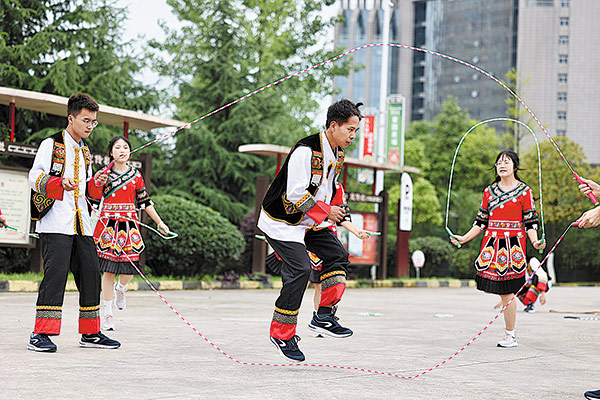
Rope skipping
Introduction
Rope skipping, commonly referred to as jump rope, is a physical activity that involves jumping over a rope swung so that it passes under the feet and over the head. It is a versatile exercise that can be performed individually or in groups and is widely recognized for its health benefits, including improving cardiovascular fitness, coordination, and agility.
Historical Background
Rope skipping has a long history and has been a popular activity across different cultures and societies. It is believed to have originated in ancient China, where it was initially used as a form of exercise and entertainment. Over time, the activity spread globally, evolving into both a recreational pastime and a competitive sport. In many cultures, rope skipping has been integrated into traditional games and physical education programs, emphasizing its role in promoting physical fitness and social interaction.
Benefits of Rope Skipping
Rope skipping is celebrated for its numerous health benefits. It is an effective cardiovascular workout that helps improve heart health and endurance. The rhythmic nature of the exercise enhances coordination and balance, making it a valuable activity for athletes looking to improve their overall physical performance. Additionally, rope skipping is an excellent calorie-burning exercise, aiding in weight management and muscle toning. The activity also fosters mental alertness and concentration, as it requires focus and rhythm to perform successfully.
Rope Skipping Techniques
There are various techniques and styles within rope skipping, ranging from basic jumps to more advanced tricks and routines. Basic techniques involve simple jumps where both feet clear the rope simultaneously. As individuals become more skilled, they can incorporate variations such as single-leg jumps, double unders (where the rope passes under the feet twice in one jump), and crisscrosses. Advanced practitioners often combine these elements into complex routines that are performed in competitive settings or as part of fitness demonstrations.
Rope Skipping Equipment
The primary equipment for rope skipping is the jump rope itself, which comes in various materials, lengths, and weights. Selecting the appropriate rope is essential for optimizing performance and safety. Lightweight ropes are preferred for speed activities, while heavier ropes may be used for resistance training. Rope handles also vary, with ergonomic designs providing better grip and control. Proper footwear is recommended to absorb impact and prevent injuries during prolonged sessions.
Training and Safety
While rope skipping is a safe and low-impact exercise, proper training and safety precautions are important. Beginners should start with basic techniques, gradually progressing to more complex movements. Warm-up exercises and stretching help prevent muscle strains and injuries. It is crucial to perform rope skipping on suitable surfaces, such as gym floors or mats, to reduce joint stress. Additionally, maintaining an appropriate rope length and using the correct form minimizes the risk of tripping or mishaps. Photo Gallery(3 pictures)CategoriesSports and GamesTagTraditional SportsCatalogue1. Introduction2. Historical Background3. Benefits of Rope Skipping4. Rope Skipping Techniques5. Rope Skipping Equipment6. Training and Safety- - - []








